
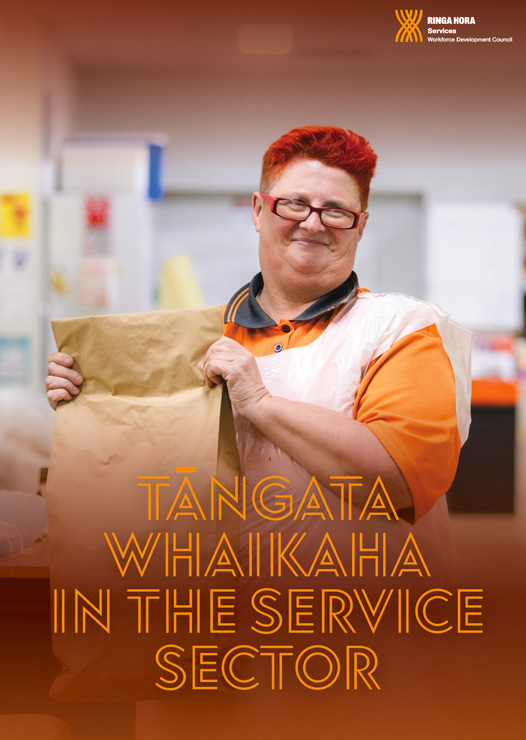

The Service Sector is powered by people, interaction, and connection. At its heart are diverse contributors, including Disabled people | Tāngata Whaikaha, whose skills, perspectives, and experiences bring unique strengths that enrich workplaces, enhance customer experiences, and strengthen communities.
This resource celebrates their impact and calls on industry leaders, educators, employers, and communities to embed inclusion across the sector.
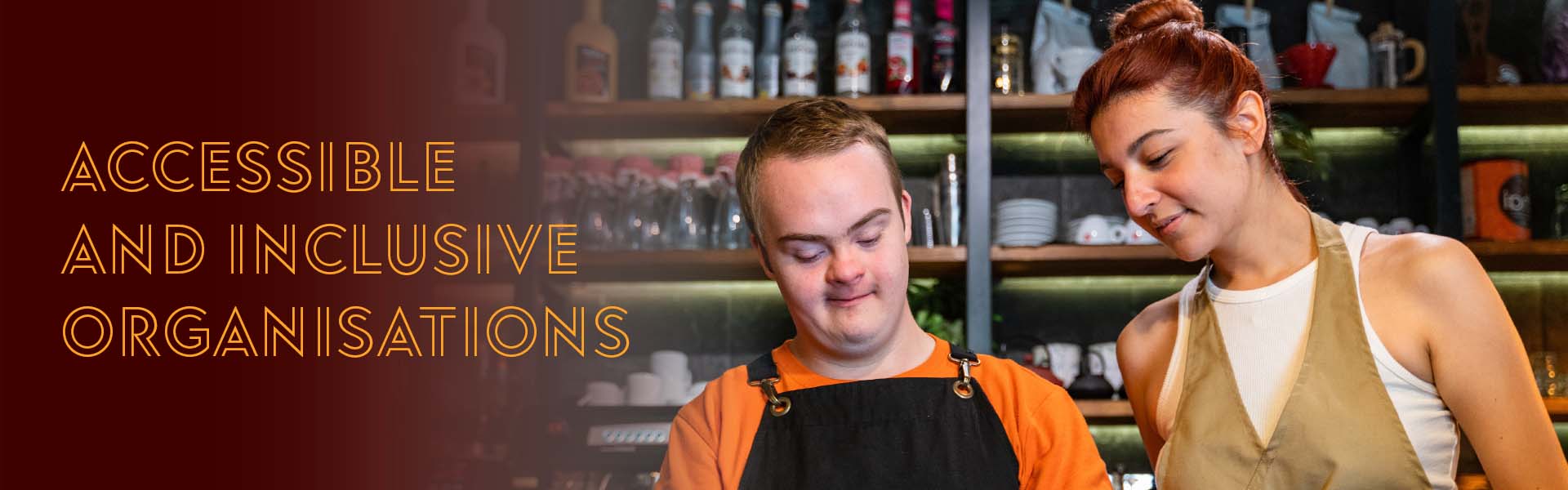
Many people talk about inclusive organisations, but what does it really mean? Inclusive hiring is one part of it and unlocks a diverse talent pool with fresh perspectives. Disabled people | Tāngata Whaikaha bring resilience, creativity, and empathy, enriching team dynamics and service delivery.
Inclusive workplaces foster fairness, respect, and collaboration, leading to lower turnover, improved morale, and reduced recruitment costs. They also support obligations under the Human Rights Act and Te Tiriti o Waitangi, positioning businesses as leaders in social responsibility.
Practical steps include accessible recruitment, reasonable accommodations, disability awareness training, inclusive KPIs, mentoring, and regular check-ins. These actions strengthen outcomes for Disabled people | Tāngata Whaikaha and enhance overall organisational performance, resilience, and reputation.
When inclusion is embedded, like the organisations we highlight in this report, it becomes a driver of long-term success.
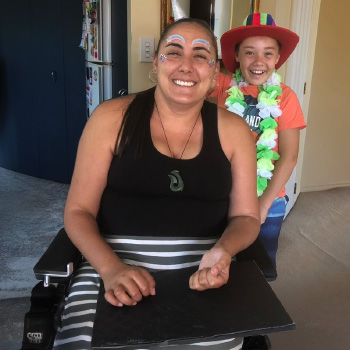
Teina Boydʼs journey exemplifies the transformative impact of inclusive employment. After sustaining a spinal injury, Teina became a wheelchair user and now works as an Accessibility Advisor at Tauranga City Council. She describes how her employer saw her lived experience as a strength, not a weakness, and provided the support and opportunities she needed to thrive.
Her journey to meaningful work was not easy.
“The biggest struggle with employment and mahi was convincing someone I was worth taking a risk on. People see someone like me—a tetraplegic with limited function—and they think hospital appointments, wheelchair maintenance, disability admin. They think of us sitting at home on ACC. And unfortunately, thatʼs the limit of what many of us are offered—because weʼre not given the opportunities others are.”
“A treasure they could learn from. The open-book nature of my relationship with my colleagues means they feel comfortable asking questions, which makes their engagement with their portfolios—especially those involving disability—much more meaningful.”
Teinaʼs lived experience became her superpower: “Who better to employ to help remove those obstacles than someone who faces them every day?”
Teinaʼs role allows her to advocate for accessible spaces and policies, co-designing solutions with the community and ensuring that disabled voices are heard at every level.
Teinaʼs experience highlights how supporting Disabled people | Tāngata Whaikaha in the workplace unlocks individual success, increases retention, and attracts talent. Reasonable accommodations—such as accessible workspaces, flexible hours, and open communication—are critical.
Creating clear career pathways and fostering a culture of empathy and learning ensures that all employees can reach their potential. As Teina says, “Having an employer and workmates who see me—not the shell, but me—means everything. Iʼm mischief. I love a challenge. We push all that taboo aside and just get on with our mahi.”

Sudima Hotelsʼ approach to inclusive employment is rooted in a people-first culture, empathy, and community care, with inclusive practices developed from the ground up. The organisation demonstrates how inclusive employment can be embedded into business culture as a strategic and values-led commitment. Their approach is values-driven and transformative, not just for their staff but for the entire organisation.

Sudima Hotelsʼ CEO Sudesh Jhunjhnuwala explains,

Sudima Hotelʼs Director of Workplace Experience, Christine Hurring, describes the journey:
Sudima Hotels partners with organisations to create internship pipelines, adapts recruitment processes to reduce barriers, and provides tailored support and mentoring for employees with disabilities.
The results and impact have been profound: employees with disabilities report feeling valued and supported, and the business benefits from reduced turnover, lower recruitment costs, and improved guest experiences:
Teams that embrace inclusion create environments where individuals thrive. The short-term dip in productivity is far outweighed by the long-term gain for the company. It reduces turnover, and weʼre providing meaningful employment.”
Sudima Hotelʼs model shows that with the right mindset, support structures, and leadership, workplaces can empower Disabled people| Tāngata Whaikaha while enriching the broader workforce. As CEO Sudesh Jhunjhnuwala notes,
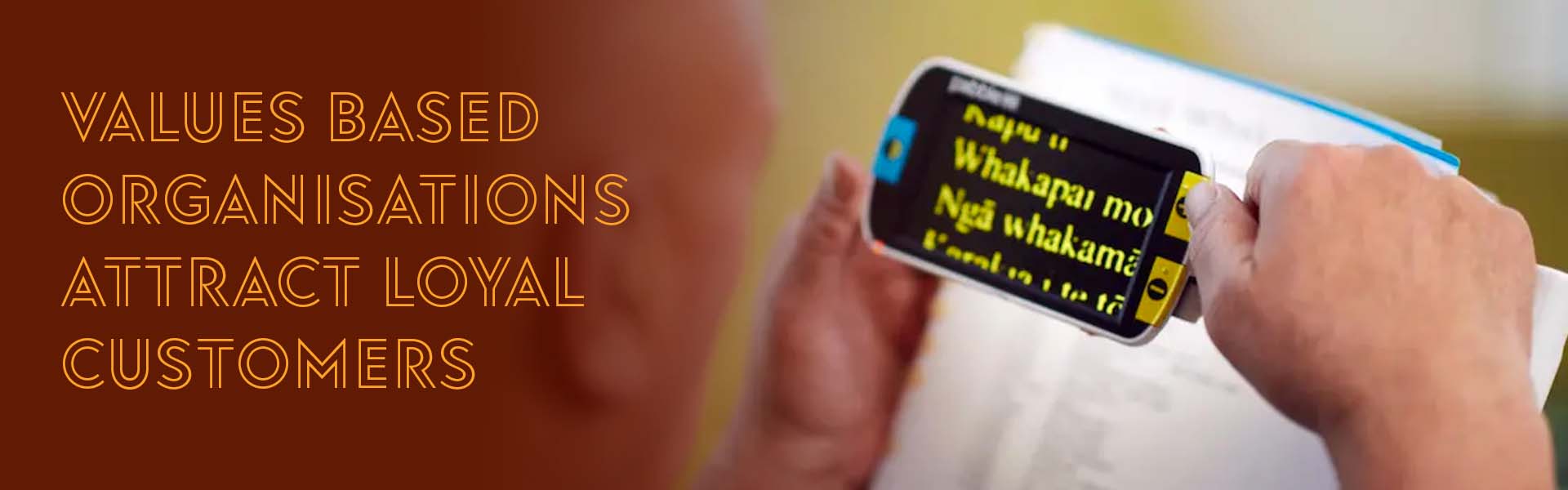
In service industries, inclusive employment directly benefits customers. When businesses reflect community diversity, customers feel seen, understood, and welcomed. Hiring Disabled people | Tāngata Whaikaha in customer-facing roles normalises disability, fosters empathy, and improves service design. Their lived experience helps identify accessibility barriers, creating more inclusive environments for all. Inclusive businesses also build stronger brand loyalty and trust. Customers increasingly expect organisations to reflect their values, making inclusive employment a powerful signal of commitment to equity.

Tania Reed is the Accessibility Manager at Westpac New Zealand, where she focuses on digital inclusion and enterprise strategy. Drawing on her own lived experience of disability, Taniaʼs role is to ensure that banking services are accessible and inclusive for everyone. “Across Westpac weʼre working to make banking accessible and inclusive for everyone, because itʼs such an essential service. You need to be able to do your banking when, how and as independently as you want.”
Taniaʼs approach is deeply values-driven:
She is committed to using empowering language, deliberately shifting away from regulatory terms like “vulnerable customers” to “people that need extra care.” As she explains, “People donʼt see themselves as vulnerable, they just know theyʼre in a situation. Even though “vulnerable” is a regulatory term, we immediately change the language to “people that need extra care” because somethingʼs happening in their world – it could be a difficult situation, or that they need extra support. Itʼs important to us to be inclusive in our language.”
A key part of Westpacʼs accessibility work is engaging directly with customers to understand their needs. “Weʼve had three-way conversations with customers, bankers and designers to watch and listen to what the customers do. That goes a long way. Our teams understand the issues and the customers feel heard.” One customer, a screen reader user who is blind, told Taniaʼs team, “It would be so great if people just shut their eyes and put their mouse in the drawer.” Tania took this feedback straight to the developers:
Tania also reflects on the importance of building networks and collaborating across the sector, saying, “People are everything. Invest in relationships, collaborate and lean on networks and mentors.” She encourages others to “be your own self-starter, donʼt wait for permission. Create your own opportunities if itʼs the work youʼre empowered to do.”
Her work at Westpac has been recognised and valued: “Being trusted as the first dedicated Accessibility Manager at Westpac – a role that never existed before – has been a real honour and a memorable win.” For Tania, the impact is clear: “weʼre working to make banking accessible and inclusive for everyone, because it is such an essential service.”
Taniaʼs story shows that when organisations listen, adapt, and empower both their people and their customers, accessibility becomes not just a compliance exercise, but a source of pride, innovation,
and genuine connection. “When you find work that has real meaning, it doesnʼt really feel like work at all. You hear a lot of tough stories, but it still doesnʼt feel like work. Itʼs easy to be here and do the mahi.”

The benefits of increasing participation in the workforce are well known. It boosts economic growth, social cohesion, and community wellbeing. Employment reduces reliance on support services, raises household income, and enables civic engagement.
Inclusive employment challenges stereotypes and shifts public attitudes, creating a more equitable society. When businesses lead by example, they inspire wider change. Initiatives like Project Employ and Flourish Café show how inclusive employment transforms lives—not just for individuals, but for whānau, colleagues, and communities. Models like Flourish Café also demonstrate how neurodiverse staff enhance customer experience and build lasting community connections.

Flourish Café, operated by Project Employ, was founded by Sarah Dann-Hoare, who worked as a special education teacher, and is a training café designed to break down barriers for neurodiverse young adults and those experiencing barriers to employment.
As Sarah Dann-Hoare, founder of Flourish Café, notes:
Flourish Café provides a real-world training ground for neurodiverse young adults. “Everything we do is about the employability skills, so that when they do go to get a job, they have actually had work experience—that is the purpose.” The impact on trainees is profound:
Customers at Flourish Café not only receive excellent service but also gain exposure to a diverse workforce, often interacting for the first time with people who have autism or other disabilities:
“The customers are telling us that as far as they knew, they hadnʼt spoken to someone with autism before or someone with huge anxiety, who wonʼt come back from behind the kitchen, you know?” And then they get to know her and they build that relationship.” This normalisation of diversity builds empathy and breaks down barriers in the wider community.
The caféʼs model demonstrates that when businesses reflect their communities and take accessibility seriously, customers notice and respond positively. This enhances the customer experience, builds long-term loyalty, and strengthens brand reputation.
The ripple effect extends to employers and the broader economy. “Employers like Sudima who have been into the café and met with our team and the trainees… see the bigger picture. Itʼs not just about employing a disabled person to tick a box… you get so much more out of it if you embrace things better.”
Sarahʼs message to other employers is simple but powerful:
Itʼs not condescending or highlighting their disability… If you employ them for a role, then theyʼre going to need training just like anyone else. But if youʼve employed them for that role, itʼs because they had the skills.”
Flourish Caféʼs graduates go on to meaningful employment, transforming not only their own lives but also those of their families and communities. “They earn their money now, just like anyone else.
I mean, Emilyʼs better at making sandwiches and toasties than me and Damienʼs a barista and Iʼm not, you know. And so if we both went for barista job, heʼd get it over me because I canʼt make coffee.”
Workforce training and development
Investing in training and formal qualifications for Disabled people | Tāngata Whaikaha delivers meaningful benefits for individuals, employers, and communities. For disabled workers, access to tailored and accessible learning builds confidence, supports career progression, and fosters independence. Structured training environments also promote self-advocacy and leadership, while enhancing technical and professional skills.
For employers, supporting upskilling helps unlock untapped talent, address skill shortages, and build a more innovative and adaptable workforce. Staff who receive ongoing training are more likely to stay, contribute fresh perspectives, and take on new responsibilities.
Inclusive training practices—such as micro-credentials, on-the-job learning, and accessible assessments, demonstrate a genuine commitment to diversity and strengthen organisational culture and reputation.
At a sector level, increasing Disabled people | Tāngata Whaikaha participation in training helps remove systemic barriers to employment and advancement. It ensures disabled people are included in the future of the service sector and that their experiences shape the design and delivery of services. Ultimately, this investment supports equity, economic growth, and a more resilient workforce for Aotearoa.
Disabled people| Tāngata Whaikaha in data
A major barrier to employment for Disabled people | Tāngata Whaikaha is the lack of detailed, disaggregated data, especially by ethnicity, gender, and disability type. Strengthening data collection in partnership with disabled communities is essential for designing effective solutions.
Quantitative data alone can’t capture lived experience. Qualitative insights such as stories, feedback, and kaupapa Māori approaches, highlight the role of whānau, cultural identity, and systemic inequities. A kaupapa Māori lens reframes disability as collective and environmental, promoting systems that uphold mana and recognise contribution.
Employment outcomes are shaped by intersecting factors like ethnicity, gender, and socioeconomic background. Māori Tāngata Whaikaha and disabled women often face compounded barriers, limiting access to leadership and career progression.
Current data shows Disabled people | Tāngata Whaikaha are overrepresented in lower-wage roles like cleaning and security, and underrepresented in higher-paying sectors like aviation and finance. This reflects broader issues in education access, workplace accommodations, and inclusive recruitment—areas needing targeted intervention.
Genuine inclusion looks like Disabled people | Tāngata Whaikaha feeling valued in every space
and business across the Service Sector.
Together, we can make this a reality.
